Phase Construction Inspection
Footprints Property Inspections checks your new home at the foundation, framing, pre-drywall, and final stages, before each layer of the build covers the one beneath it. Serving new builds across Summit, Medina, and the surrounding counties.

Code inspectors have already seen the home
A lot of new-build buyers hear the same thing: the city checks the house at each stage and the builder offers a warranty, so a private inspection is a waste of money. A code inspection only confirms the work met minimum requirements at the moment someone looked. It is pass or fail. It does not judge how carefully the work was done.
A private inspector looks at much more than a code official does, including the quality of the work. Footprints is hired by you and works independently of your builder. The company is led by an InterNACHI Certified Master Inspector and ASHI Certified Inspector. At every phase visit, the job is to answer one question for you: is what's going into your house built the way it should be?
Builder shortcuts covered up one stage at a time
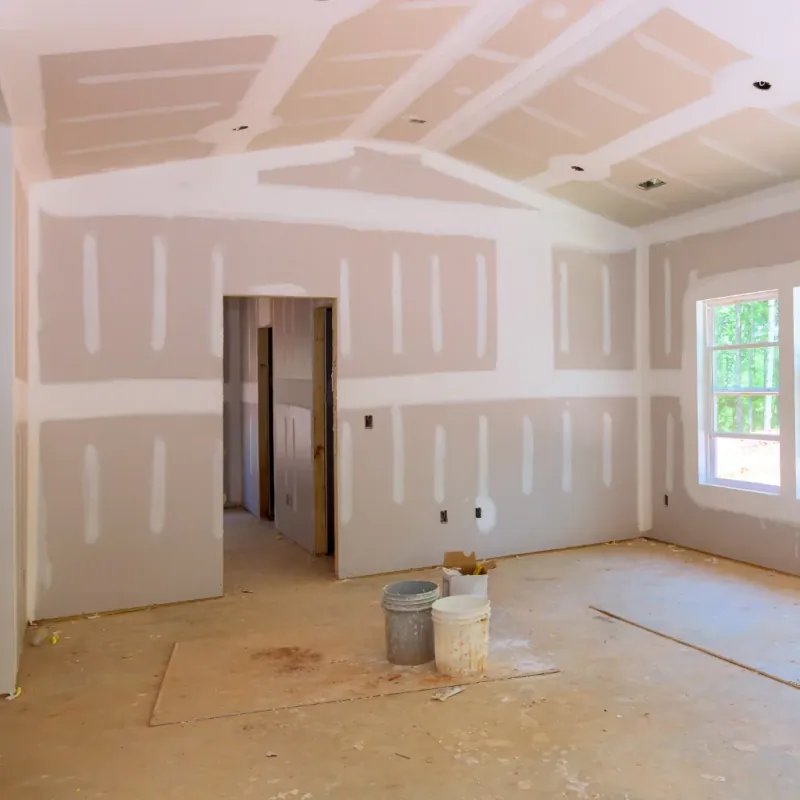
A new home gets built in layers, and each layer hides the one before it. Soil and concrete cover the foundation. Sheathing and siding wrap the framing. Wiring, plumbing, and ductwork disappear behind insulation and drywall. If you only see the finished house, you have no way of knowing what's underneath.
Phase construction inspections put an independent set of eyes on your build at each of those moments: foundation, framing, pre-drywall, and final. You can book the full series or choose the stages that match how far along your home is. A problem caught early is a quick fix for the crew already on site, not a wall that has to be torn open after you move in.
Basement water and settling issues after you move in
In Northeast Ohio, heavy snow melt, spring rain, and high water tables put steady pressure on basement walls. Seepage and settling are among the biggest worries local buyers have, and on a new build, the foundation stage is when you have the best chance to do something about them.
Once the soil is backfilled and the basement is finished, the outside of those walls is out of sight for good. A foundation-phase inspection looks at them while they're still exposed. Any concerns go to your builder before anything gets covered. If you plan to finish your basement someday, this is the easiest moment to get it right.
Walked through in person while the walls are open
A list of findings from a construction site can be hard to picture, especially when you can't tell a real defect from normal mid-build mess. If you're able to be on site when a phase inspection wraps up, your inspector walks you through the safety and defective items in person. You see exactly where each one is, right there in the open framing.
Within 24 hours you receive a written report with photos for that stage. You can share it with your builder so corrections happen before the next stage covers them. Each report also becomes a record of what was found and when. If this is your first inspection with Footprints, you'll receive a printed Home Maintenance Manual for the home ahead.
Frequently Asked Questions
How many phase inspections do I need?
How do I know when to schedule each phase?
What happens if a phase inspection finds a problem?
Do I need to be there for the inspection?
If I get phase inspections, do I still need an 11th month warranty inspection?
Related Services
Service Areas
- Summit County (Akron, Copley, Fairlawn, Bath)
- Medina County (Medina, Wadsworth, Brunswick)
- Portage County (Kent, Ravenna, Streetsboro)
- Stark County (Canton, North Canton, Green)
- Cuyahoga, Lorain, and Geauga Counties
Business Hours